What Is Viscose Fabric? Properties, Uses and Care Guide
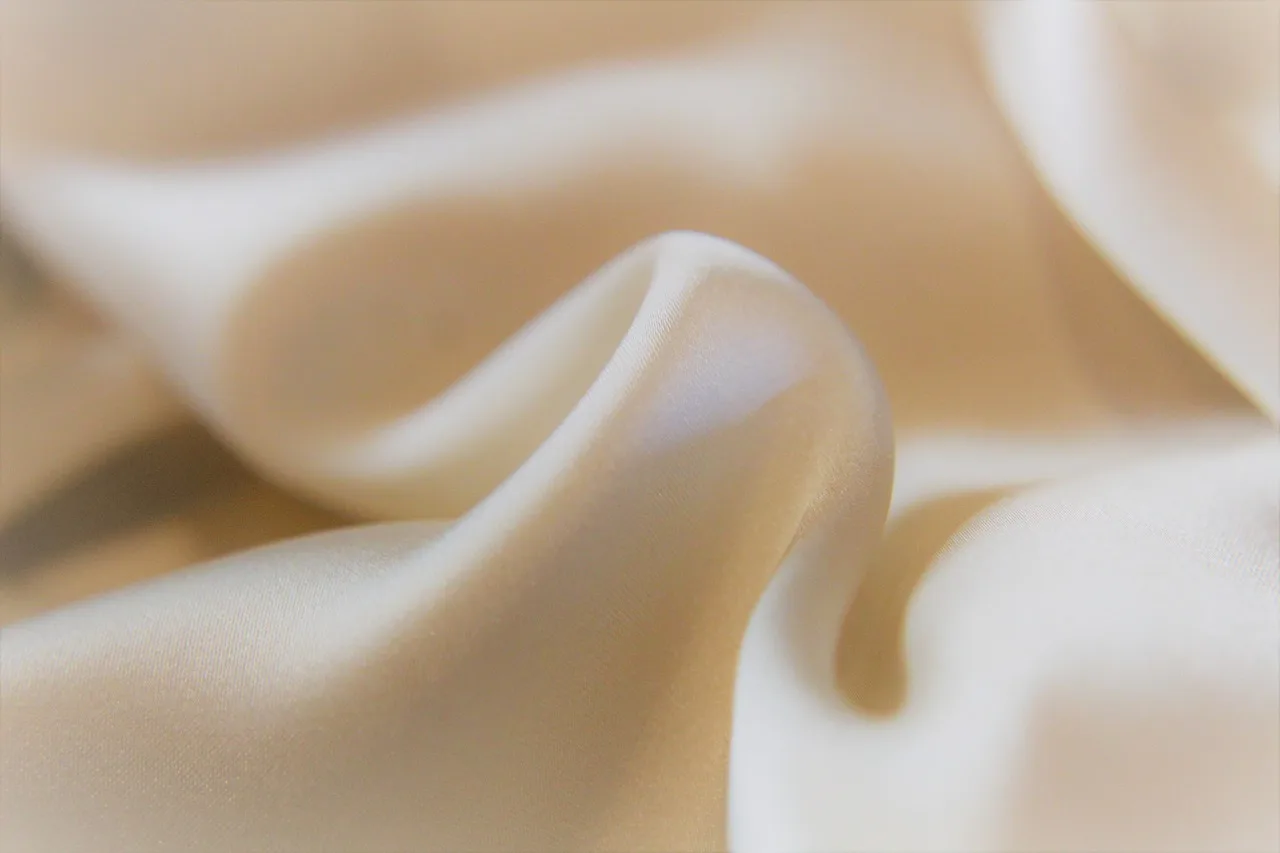
If you have ever read a clothing label and wondered what “viscose” is, you are not alone. It shows up on dresses, blouses, linings and even bedsheets. Viscose fabric is a soft, flowing, silk-like material made from wood pulp. It feels great and is usually affordable, but it needs gentle care. This guide explains what viscose is, how it is made, how it compares with other fabrics, and how to wash it without ruining it.
Key takeaways
- Viscose is a semi-synthetic fiber made from regenerated cellulose, usually from wood pulp. It is the most common way to make rayon.
- It is soft, smooth, breathable and highly absorbent, with a drape that resembles silk.
- Its main weakness: regular viscose loses strength when wet, so rough washing can stretch, shrink or damage it.
- Always follow the care label. Some viscose is “dry clean only”, while other pieces can be washed gently.
- Viscose, rayon and modal are closely related. Lyocell (such as Tencel) is made differently.
What is viscose fabric?
Viscose is a fiber made by chemically dissolving cellulose, the material that gives plants their structure, and then turning it back into fine threads. Because the cellulose is regenerated rather than spun directly from a plant, viscose is called semi-synthetic. It is not a natural fiber like cotton, and it is not fully synthetic like polyester.
Viscose is the most common method for making rayon, so on a label the two words often mean the same thing. In the US, the Federal Trade Commission lets manufacturers use “rayon” as the generic name, and you will see both terms on garments.
How is viscose made?
The process is chemical and involves several stages:
- Wood pulp is treated with caustic soda to create alkali cellulose.
- The material is pressed, shredded into crumbs and left to age.
- Carbon disulfide is added, which turns the crumbs orange-yellow.
- The crumbs are dissolved in a caustic solution, creating a thick, honey-like liquid. The name “viscose” comes from that high viscosity.
- The liquid is pushed through tiny holes called a spinneret into an acid bath, where it turns back into solid cellulose filaments.
- The filaments are stretched, washed and cut or spun into yarn, which is then woven or knitted into fabric.
A short history
Viscose was developed by British chemists Charles Cross, Edward Bevan and Clayton Beadle, who patented the process in the early 1890s. Courtaulds produced the first commercial viscose rayon in Coventry, England in 1905, and set up American Viscose in the US in 1910. By the 1920s the US had become the world’s largest rayon producer. Viscose was marketed as an affordable alternative to silk.
Properties of viscose
| Property | What to expect |
|---|---|
| Feel | Soft, smooth and cool against the skin |
| Drape | Flows well, which is why it is popular for dresses, skirts and blouses |
| Breathability | Highly absorbent and breathable, good for warm weather |
| Strength | Weaker than cotton and polyester, especially when wet |
| Wrinkles | Creases easily and often needs ironing |
| Pilling and snagging | Can pill and snag with friction |
| Dye | Takes dye well, giving rich colors |
| Stretch | Low elastic recovery, so it can lose shape |
Pros and cons
Pros
- Silky feel and graceful drape at a lower price than silk
- Breathable and comfortable in heat
- Wide range of colors, prints and finishes
- Plant-based and biodegradable, unlike polyester
Cons
- Weak when wet, so it needs careful washing
- Wrinkles easily
- Can shrink or lose shape if washed hot or wrung out
- Water can leave marks on some finishes
- Production can carry environmental concerns, discussed below
Viscose vs. rayon, modal, lyocell and bamboo
| Fabric | How it relates to viscose | Key differences |
|---|---|---|
| Rayon | Viscose is its most common production method | Often used interchangeably on labels |
| Modal | A type of viscose that is stretched during manufacturing; usually made from beech trees | More stable, wears better and pills less than regular viscose |
| Lyocell (Tencel) | Made by dissolving cellulose in a different solvent, not through the viscose process | Avoids carbon disulfide and is generally stronger, but costs more |
| Bamboo fabric | Usually made by the viscose process from bamboo pulp | Behaves like viscose, even though it comes from bamboo |
| Cotton | A natural fiber | Stronger when wet and easier to wash |
Viscose vs. cotton, silk and polyester
| Viscose | Cotton | Silk | Polyester | |
|---|---|---|---|---|
| Origin | Regenerated plant cellulose | Natural plant fiber | Natural animal fiber | Synthetic from petroleum |
| Feel | Soft, silky | Soft, crisp | Smooth, luxurious | Can feel slick or plasticky |
| Strength when wet | Weak | Strong | Weaker | Strong |
| Breathability | High | High | High | Low |
| Price | Low to moderate | Low to moderate | High | Low |
| Ease of care | Needs care | Easy | Delicate | Easy |
How to care for viscose fabric
The first rule is to read the care label. In the US, the FTC’s Care Labeling Rule requires manufacturers to attach permanent, legible care instructions, and a “Dryclean Only” label requires the maker to have evidence that washing would damage the garment. If the label says dry clean only, take it seriously. If the label allows washing, follow these steps.
Washing
- Hand wash in cold water with a mild detergent for the safest results, or use a delicate machine cycle if the label allows it.
- Put the garment in a mesh bag if you use a machine, and wash it away from heavy items such as jeans or towels.
- Do not wring or twist. Wet viscose is at its weakest. Press the water out gently, for example by rolling the garment in a clean towel.
- Avoid hot water and bleach. Heat can cause shrinkage, and bleach weakens the fibers.
Drying
- Air dry flat or on a padded hanger. Hanging a wet piece on a thin wire hanger can stretch the shoulders.
- Avoid high heat in the dryer. It can cause shrinkage. A clogged vent makes a dryer run hotter, so see how to clean a dryer vent.
- Keep it out of direct sun if the color might fade.
Ironing
- Use a low heat setting and iron while the fabric is still slightly damp, or use a pressing cloth.
- Iron on the reverse side if possible.
- Skip the steam if the label says “no steam”.
Stain removal
Dab, do not rub. Rubbing weakens wet viscose. Test any stain remover on a hidden spot first, and avoid bleach.
Does viscose shrink?
It can. Viscose is prone to shrinking if it is washed in hot water, agitated heavily or dried with high heat. If a piece shrinks slightly, some care guides suggest gently stretching it back into shape while damp, or using a garment steamer, but results vary. The best strategy is prevention: wash cold, wash gently and air dry.
Is viscose sustainable?
The answer depends on how it is made. On the positive side, viscose comes from a renewable plant source and is biodegradable, unlike polyester.
On the downside, the traditional process uses carbon disulfide, a toxic chemical that has harmed factory workers, and production has been linked to water pollution where regulations are weak. Some producers have also been criticized over deforestation. Closed-loop production, which recovers and reuses most of the chemicals, reduces the pollution, though it costs more. Look for fibers certified for responsible forestry, such as FSC, and for brands that explain how their viscose is made. Lyocell and modal from responsible producers are often considered more sustainable choices.
How to tell if a fabric is viscose
- Check the label. Look for viscose, rayon, modal, or bamboo. The fiber content is legally required on clothing labels.
- Feel it. It is smooth, cool and drapey with a soft, slightly slippery handle.
- Watch for wrinkles. If it creases easily when you squeeze it, it is likely viscose or a similar fiber.
Is viscose a good choice?
Viscose is a good choice if you want the look and drape of silk at a lower price, or breathable clothing for warm weather. It is less ideal for items you want to throw in the washing machine and forget, or for rough everyday wear. A viscose-blend fabric, for example viscose with a little polyester or elastane, can be more durable and wrinkle less. If you want to wear viscose shirts to the office, our guide to business casual for men shows how to style them.
Frequently asked questions
Is viscose the same as rayon?
Mostly yes. Viscose is the most common way to make rayon, so the two names are often used interchangeably.
Is viscose natural or synthetic?
Neither exactly. It starts from a natural material, wood pulp, but chemical processing turns it into a manufactured fiber. That is why it is called semi-synthetic.
Can you wash viscose in the washing machine?
Sometimes. Check the label. If machine washing is allowed, use a delicate cycle with cold water and a mesh bag.
Is viscose good for summer?
Yes. It is breathable, absorbent and feels cool, which makes it popular for warm-weather clothes.
Does viscose pill?
It can, especially where there is friction, such as under the arms or along seams. Washing it gently helps.
Is viscose better than cotton?
It depends on what you need. Viscose drapes better and feels silkier, but cotton is stronger when wet and easier to care for.
Last updated November 18, 2026.