Business Casual for Men: What to Wear (Complete Guide)
Business casual for men is the dress code that sits between a suit and weekend clothes, and almost every man runs into it sooner or later. The trouble is that “business casual” means different things in different offices. This guide explains what business casual for men means, gives you a simple formula you can rely on, and shows what to wear, from shirts to shoes, so you can dress well without overthinking it.

Key takeaways
- Business casual means neat, collared, well-fitting clothes without a full suit and tie.
- A safe formula: collared shirt or fine knit + chinos or dress trousers + leather shoes or clean loafers.
- Fit and condition matter more than brand. Pressed, clean, well-fitting clothes always look professional.
- When in doubt, dress one step up from what your coworkers wear, and check your company’s dress code.
- Avoid very casual items such as athletic wear, ripped jeans, flip-flops and graphic tees.
What does business casual for men mean?
Business casual is a relaxed version of business professional. You skip the matching suit and often the tie, but you still look polished. Think of it as smart and comfortable rather than formal.
The difficult part is that there is no single standard. A bank, a startup and a school can all call their dress code “business casual” and mean different things, so use the table below to place your office.
| Dress code | Typical look | Example workplaces |
|---|---|---|
| Business professional | Suit, dress shirt, tie, leather dress shoes | Law, finance, formal client meetings |
| Business casual | Collared shirt, chinos or trousers, optional blazer, leather shoes or loafers | Most offices |
| Smart casual | Dark jeans or chinos, knit or casual shirt, clean sneakers can work | Creative and tech offices, after-work events |
| Casual | T-shirts, jeans, sneakers | Relaxed workplaces and weekends |
Business casual for men: the formula
If you remember one thing, remember this:
Collared shirt or fine knit + chinos or dress trousers + leather shoes or clean loafers + belt that matches the shoes.
Add a blazer or sweater when you want to look sharper or the weather needs it. Each piece below is a building block.
What to wear: item by item
Shirts and tops
- Oxford or button-down shirt: the most reliable choice. White, light blue and subtle stripes go with everything.
- Dress shirt without a tie: fine with an open collar. Leave the top button undone, and not more.
- Polo shirt: acceptable in many offices if it has a stiff enough collar, fits well and is tucked or hits the right length.
- Fine-gauge sweater or quarter-zip: good over a collared shirt in cooler months. Crew and V-necks in merino or cotton look sharper than chunky knits.
Trousers
- Chinos: the easiest option. Navy, khaki, olive and grey are the core colors.
- Dress trousers or wool trousers: a step up and good for client days.
- Dark, plain jeans: only if your office allows jeans. No rips, fading or heavy distressing.
Shoes
- Loafers, derbies, Oxfords, desert boots, Chelsea boots: reliable choices in brown, tan, black or dark burgundy.
- Clean minimal leather sneakers: accepted in some offices. Check what coworkers wear first.
- Avoid: flip-flops, sandals, running shoes, worn-out shoes.
Layers and outerwear
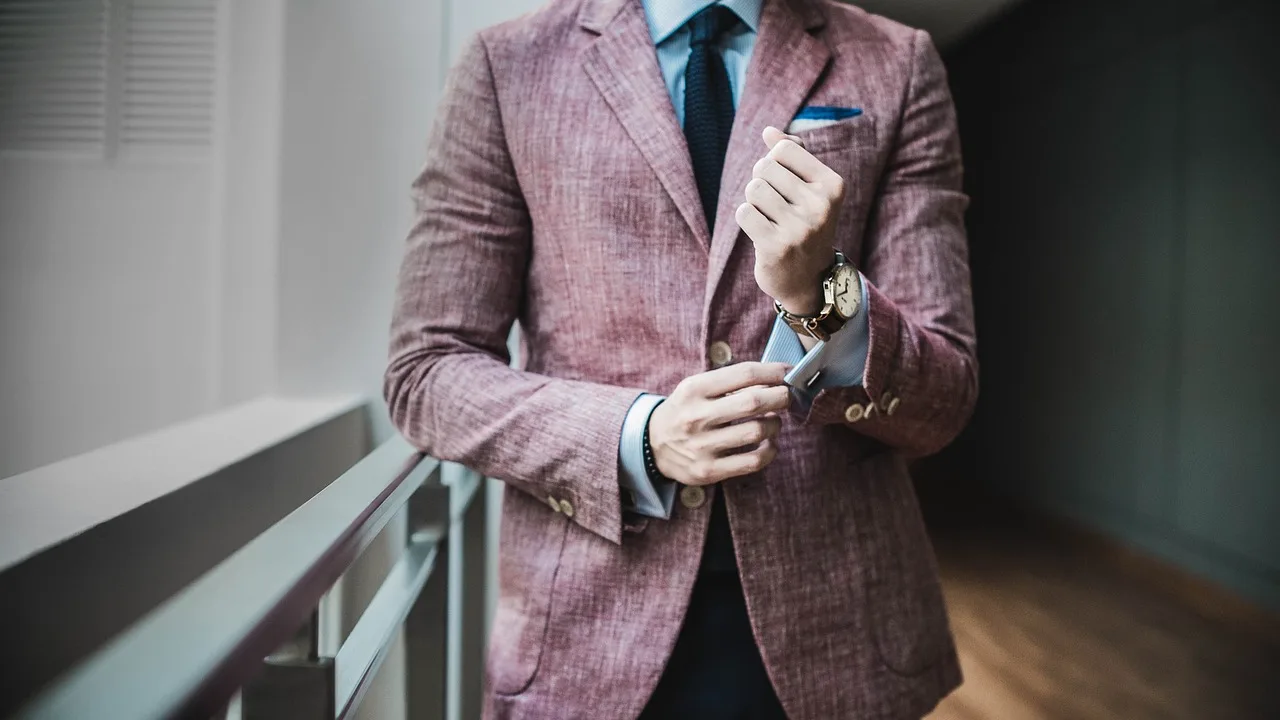
- Blazer or sport coat: instantly smarter. An unstructured, mid-weight blazer in navy or grey is the most flexible.
- Cardigan or overshirt: relaxed but still tidy.
- Coat: a plain wool or technical coat in a dark neutral looks professional.
Accessories
- A leather belt that matches your shoes.
- A simple, conservative watch.
- Optional: a tie for meetings, or a pocket square if it suits your office.
Do and don’t at a glance
| Do | Don’t |
|---|---|
| Wear clothes that fit at the shoulders and waist | Wear baggy or very tight clothes |
| Iron or steam shirts | Wear wrinkled clothes |
| Keep shoes clean and polished | Wear scuffed or worn-out shoes |
| Choose solid colors and subtle patterns | Wear loud prints or large logos |
| Wear a belt | Skip the belt with belt loops |
| Dress one step above your team when unsure | Dress below your colleagues |
Five easy business casual outfits
- Classic: light blue Oxford shirt, navy chinos, brown loafers, brown belt.
- Smart layered: white shirt, grey merino sweater, charcoal trousers, black Chelsea boots.
- Blazer day: white shirt, navy blazer, khaki chinos, tan derbies.
- Relaxed Friday: navy polo, olive chinos, clean white leather sneakers.
- Cold weather: fine-knit roll neck or quarter-zip, dark trousers, leather boots, wool coat.
Fabrics, fit and color
Fabric choice changes how an outfit looks and how you feel by lunchtime.
- Cotton and wool are durable, breathe well and hold their shape.
- Linen is cool in summer but wrinkles quickly.
- Viscose and rayon shirts drape softly and feel smooth, but they crease easily and need gentle washing. Our guide to viscose fabric explains how to care for them.
- Color: stick to navy, grey, white, light blue, olive and brown as your base and add one accent.
Fit matters more than price. Shoulders should sit at the edge of your shoulder bone, sleeves should end at the wrist, and trousers should skim your shoes without bunching. A tailor can adjust inexpensive clothes to look much better. Looking for the women’s version? See our guide to business casual for women.
Business casual for men by season
- Summer: lightweight cotton or linen-blend shirts, light chinos, breathable loafers. Short-sleeve button-ups can work in relaxed offices.
- Winter: wool trousers, merino sweaters over shirts, leather boots, a good coat.
- Spring and fall: layers such as a blazer or overshirt that you can remove indoors.
Business casual for men in job interviews
For an interview, dress one step above the company’s everyday style. Look at the company website and social media to see what employees wear. If the workplace is casual, a blazer with chinos and clean leather shoes is a safe choice. If it is formal, wear a suit.
Common mistakes
- Wearing jeans when the dress code does not allow them.
- Letting the belt and shoes clash.
- Wearing a polo that is stretched, faded or too short.
- Forgetting to iron.
- Wearing sneakers that are scuffed or sporty.
Building a small wardrobe for business casual for men
You can cover most workdays with about ten pieces:
- 2 to 3 collared shirts (white, light blue, one pattern)
- 2 pairs of chinos (navy, khaki or olive)
- 1 pair of dark trousers
- 1 blazer (navy or grey)
- 1 or 2 knit sweaters
- 1 pair of leather loafers or derbies
- 1 pair of leather boots or clean sneakers
- 1 belt
Frequently asked questions
Can men wear jeans in business casual?
Only if your workplace allows it. Choose dark, plain jeans without rips and pair them with a collared shirt or knit and leather shoes.
Do I need a tie for business casual?
Usually not. A tie is optional unless you have a client meeting or a formal event.
Are sneakers business casual?
Sometimes. Clean minimal leather sneakers work in relaxed offices. In more traditional offices, wear loafers or derbies.
Is a polo business casual?
Often yes, if it has a good collar and fits well. Check your office, because some prefer a button-down shirt.
What is the difference between business casual and smart casual?
Business casual leans toward the office, with collared shirts and leather shoes. Smart casual is a bit looser and allows dark jeans and clean sneakers.
Can I wear a suit for business casual?
You can, but wear the jacket and trousers separately and skip the tie so it looks relaxed.
Last updated November 18, 2026.